

Window Treatments for New Construction: What Builders Should Decide Before Drywall
/If you’re building or renovating in Savannah, Bluffton, Hilton Head Island, Richmond Hill, Skidaway Island, or Tybee, you don’t need another vendor that adds friction at the end of a job.
You need a window treatment partner who understands how your schedule works, communicates clearly, and catches details before they turn into change orders.
That’s exactly how we support builders at Savannah Window Fashions. We’re a full-service workroom—measure, design support, fabrication, ordering, and installation—and we’re used to working in new construction and renovation where plans shift and timelines matter.
This post is written for builders and project managers who are searching things like:
When do I bring in window treatments on a build?
What does my electrician need for motorized shades?
How do I avoid delays with drapery hardware and lead times?
What should be decided before drywall?
Who owns the details so it doesn’t land on my punch list?
Let’s get into it.
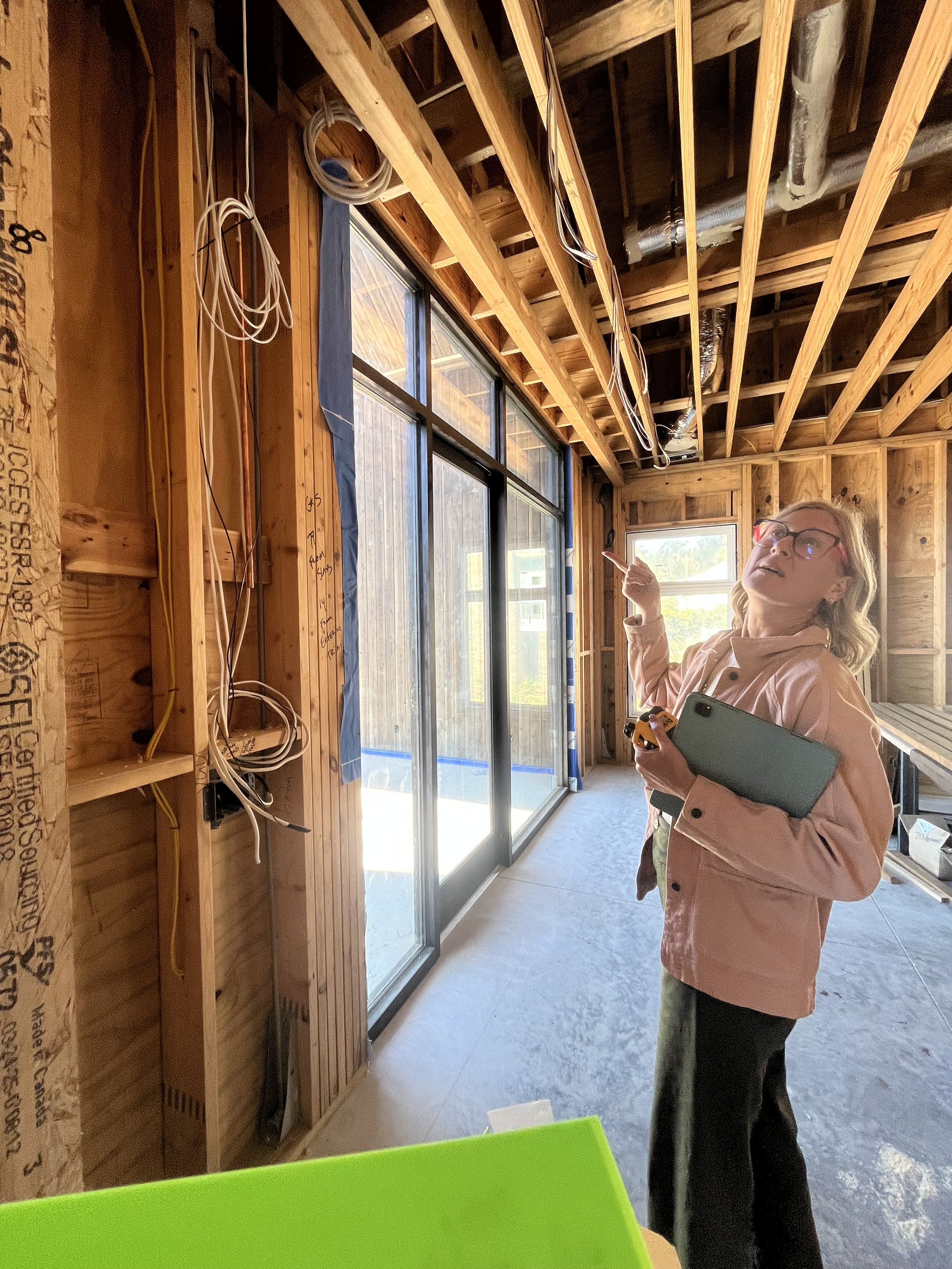
When should you bring window treatments into the build?
If you wait until trim is up and paint is dry, you’ve waited too long.
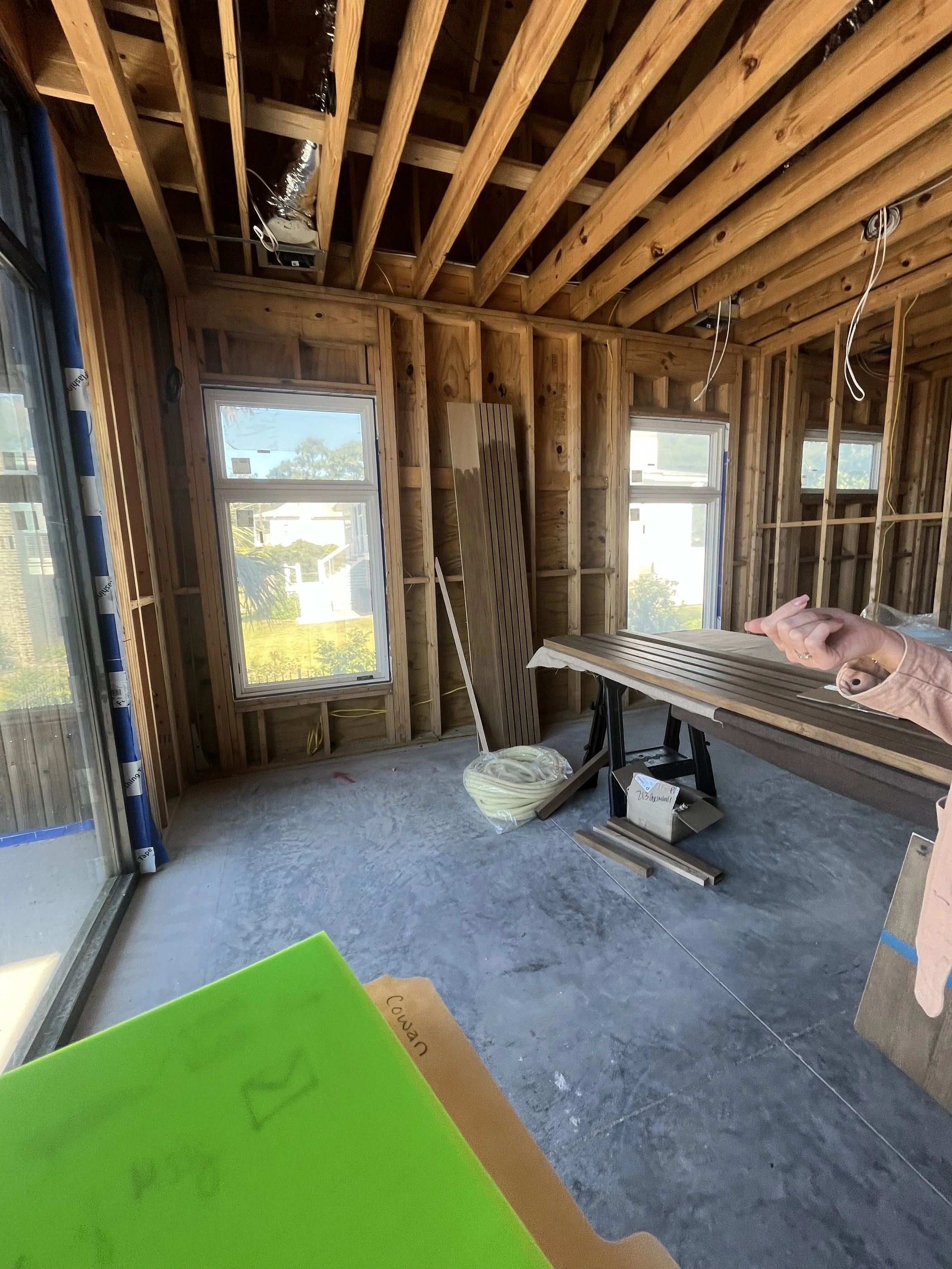
For many projects, particularly when motorization, ornate millwork, non-standard casement depths or oversized windows are involved, the right time is usually pre-drywall or early drywall, once your window openings are confirmed and you can walk the site.
Here’s why builders benefit from early involvement:
You avoid rework when the homeowner wants drapery that needs blocking, specific returns, or a ceiling track.
You can plan motorization power and control the right way (without scrambling late).
You catch “plan vs. field” differences before fabrication is underway.
We often start with a rough measure early, then keep checking real conditions as construction progresses—framing, electrical, drywall, trim, sill details—so what we fabricate is right the first time.
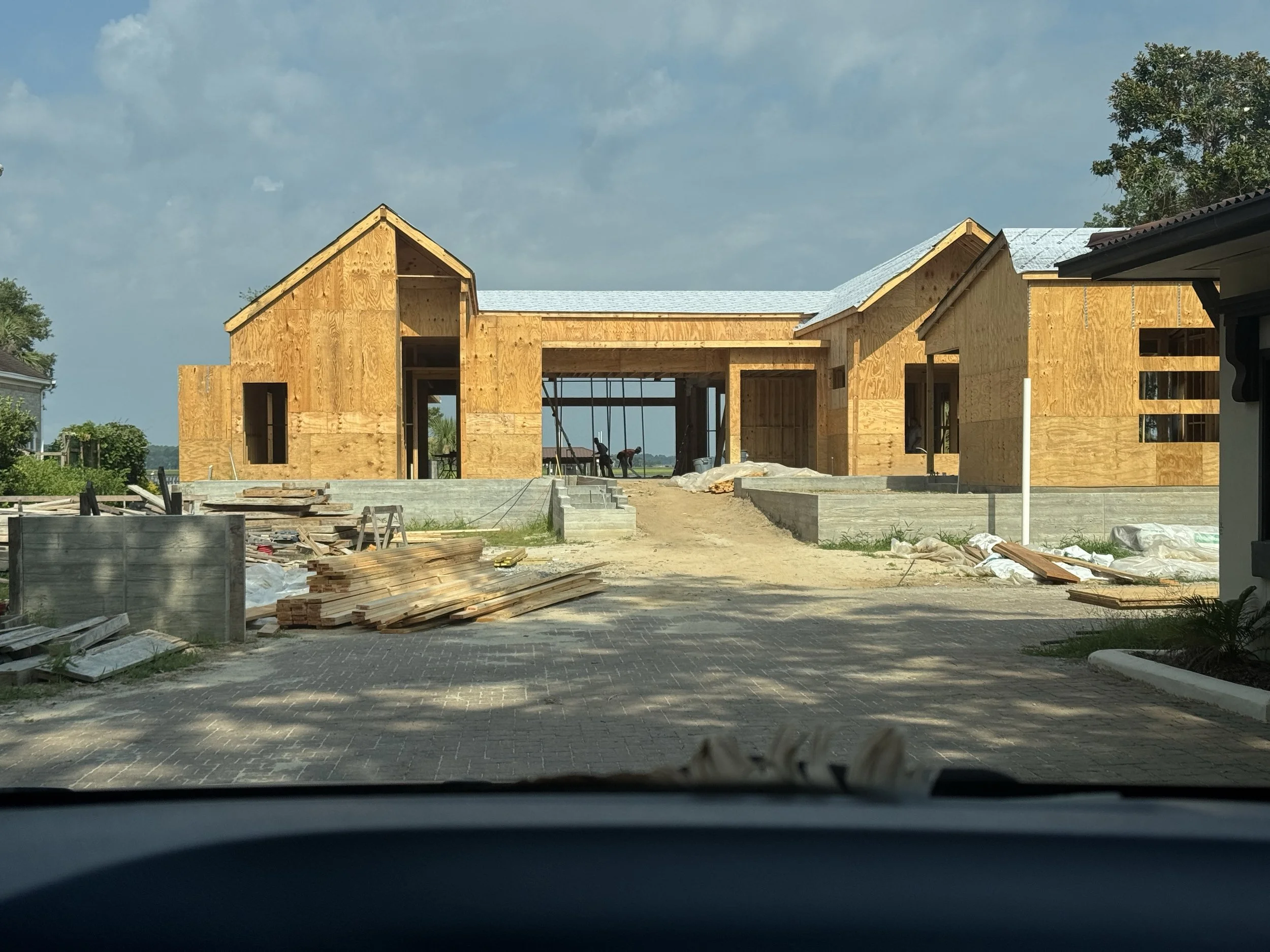
What do you need to know before drywall?
Before drywall, you’re making decisions that affect whether window treatments install cleanly or become a workaround later.
Here are the biggest items we help builders lock down early:
1) Mounting conditions (what’s behind the drywall)
If you have:
large openings
heavy drapery
ceiling-mounted tracks
recessed/pocket tracks
corner turns
…we’re going to talk about blocking and secure mounting surfaces. Getting that right early keeps your install day smooth and protects your finished surfaces.
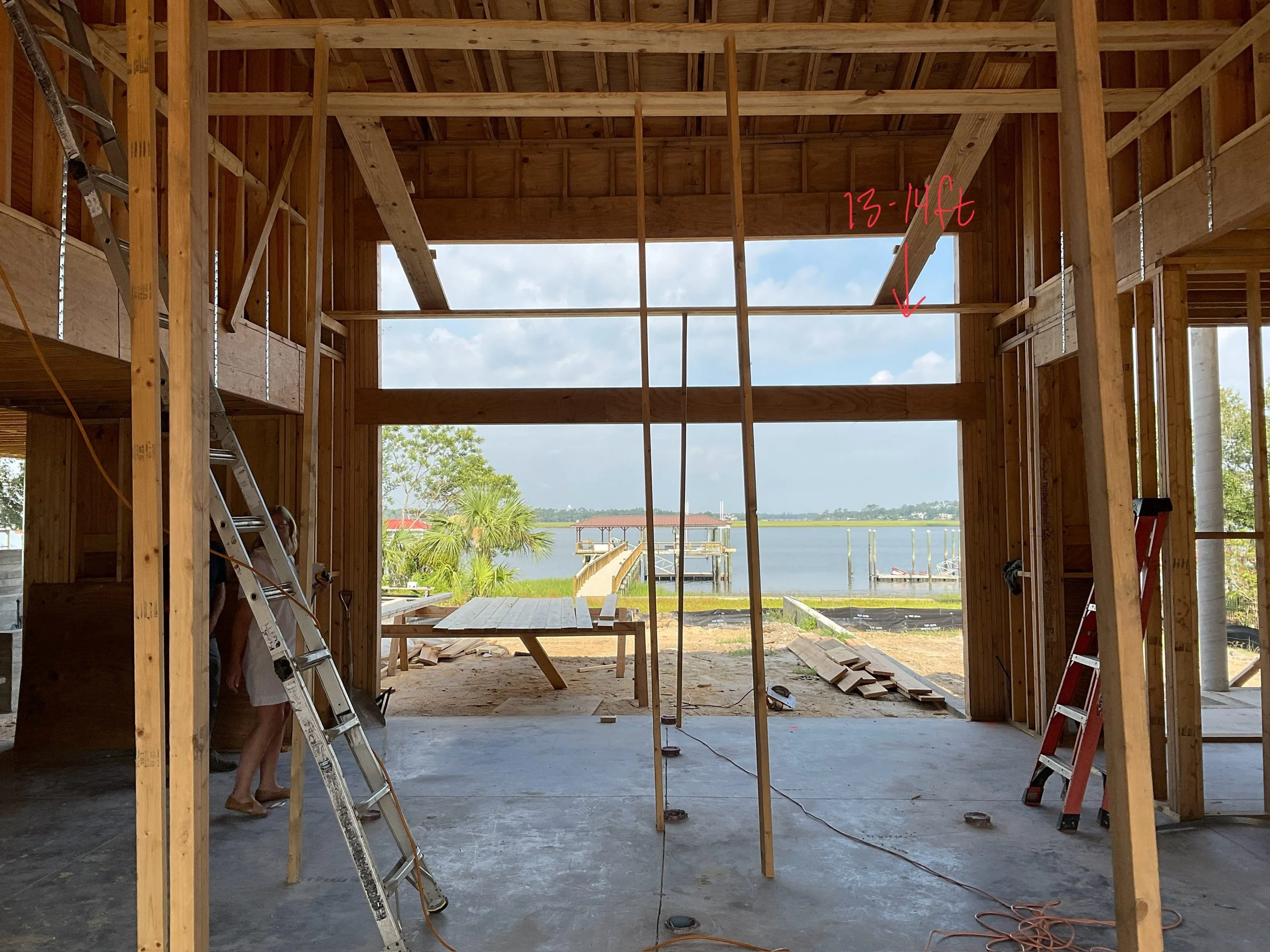
2) Clearances + stack-back space for drapery
Drapery needs room to function. Builders run into issues when:
there isn’t enough wall space for panels to stack
trim profiles push hardware too far out
lighting, vents, or built-ins land where the rod/track needs to be
We help you confirm what’s needed so the finished room works the way it’s supposed to.
3) Window trim and sill details
Plans don’t always tell the whole story. The casing depth, sill thickness, returns, and final profiles change how we mount shades and how clean the final result looks.
This is one of the reasons we like to be on-site during construction—not just handed a plan set and asked to “make it work.”
Motorized shades: what you need from your electrician (and when)
Motorization is one of the most common requests we see, and it’s also one of the easiest places for a project to get delayed if it’s addressed late.
If your homeowner wants motorization, here’s what you want clarified early:
Builder motorization checklist
Power plan: hardwired vs. rechargeable vs. plug in (and where power will actually land)
Control plan: remote, wall keypad, app, smart home integration
Responsibility: who is providing power/low-voltage (and when)
Access: serviceability after installation (don’t bury what needs access)
Lead times: motorized components often need more runway than standard product
When we’re involved early, we can coordinate these decisions with your team before drywall so you aren’t chasing solutions at the finish line.
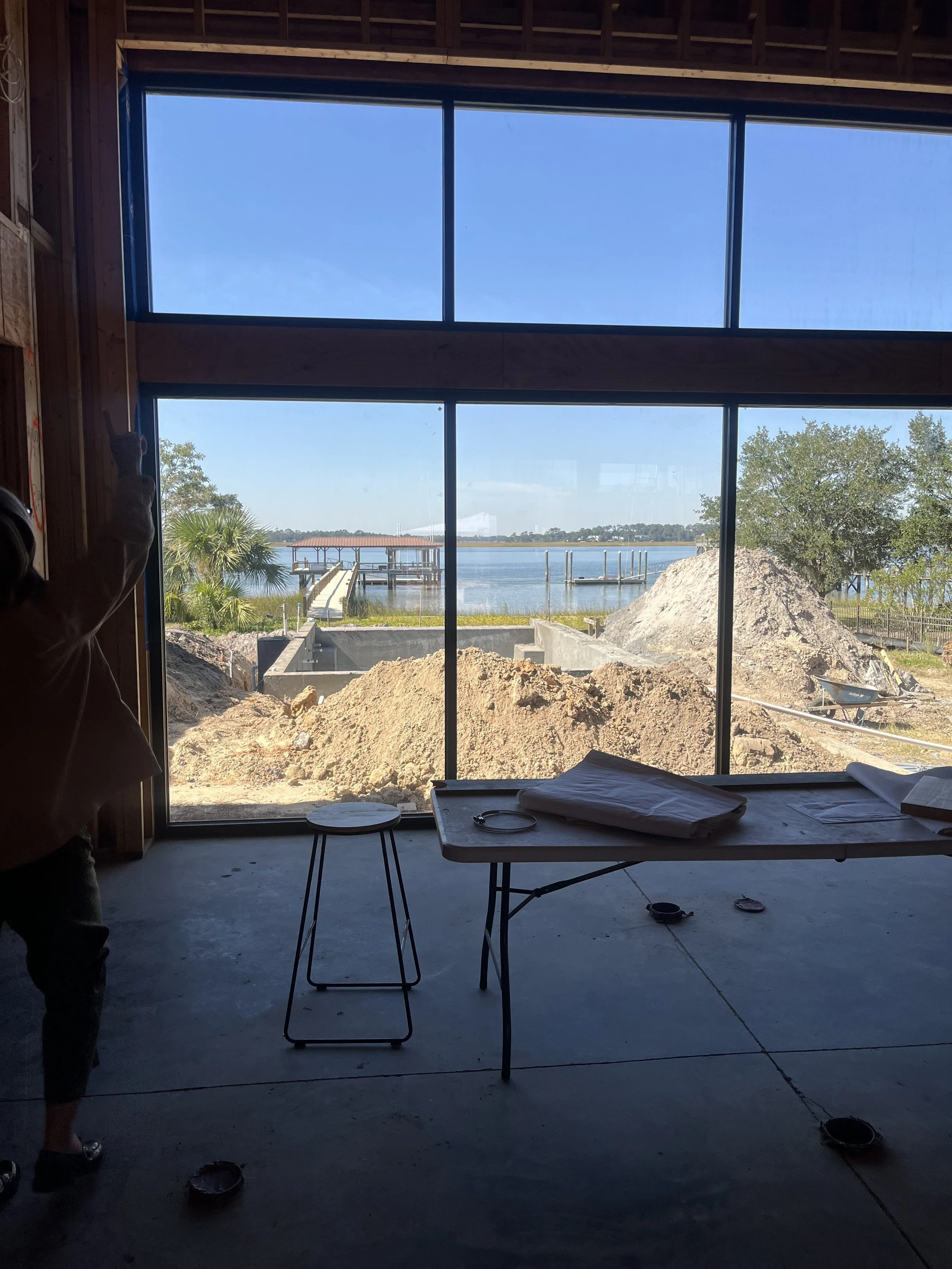
“Just measure it now” is how projects get reworked
Builders know this in every trade: measuring at the wrong stage creates problems.
Window treatments are no different.
We’re happy to rough measure early to establish direction asnd budgets, but fabrication decisions should be based on confirmed field conditions—not wishful thinking before floors, drywall, casing, and ceiling details are final.
Our process is designed to prevent the classic scenario where someone measures too early, orders too soon, and the solution becomes: “We’ll fix it in the field.” That’s not the kind of surprise anyone wants at the end of a job.
What you should expect from a window treatment partner on a build
If you’re comparing vendors, here’s what actually makes your life easier as a builder:
1) A clear process you can plug into the schedule
You don’t need “we’ll figure it out later.” You need:
what gets decided when
what you need from your team
how long fabrication takes
how install gets scheduled
We provide that clarity up front.
2) Someone who fills the communication gaps
On many projects, the builder, designer, and homeowner all assume someone else is handling the window details.
We step in as the point team for window treatments—answering questions, flagging conflicts early, and keeping decisions moving so it doesn’t land back on your punch list.
3) Field awareness (not just a showroom quote)
What matters on paper isn’t always what happens on-site. We’re used to checking:
framing differences
electrical placement
ceiling transitions
drywall returns
trim changes
That’s the difference between a smooth install and a last-minute workaround.
New construction vs renovation: what changes?
If you do renovation work in the Lowcountry, you already know: existing conditions can be unpredictable.
Renovations are where we’re especially valuable because we can help you plan around:
uneven openings
historic trim profiles
shifted framing
surprises behind plaster or older casing
windows that aren’t perfectly square (common in older homes)
The goal is the same: confirm what matters early, communicate clearly, and fabricate what fits.
Builder-ready next step: get us on-site at the right time
If you have a project in framing through early finish stage, this is when we can be most helpful—especially for motorization, custom details, and anything that impacts power, blocking, or clearances.
We’ll help you:
identify which windows need early decisions
confirm mounting + clearance requirements
coordinate motorization planning
create a realistic selection → fabrication → installation timeline
So window treatments don’t become the thing that slows down your final weeks.
Already further along? We can still help.
If trim is up, paint is done, or you’re nearing punch list, it’s not “too late”, it just means we’ll shift the plan. We’ll assess what’s already in place, recommend solutions that work with the conditions on site, and prioritize what can be specified and ordered quickly so installation stays aligned with your move-in and closeout schedule.
